Conflict in Ethiopia Tracked by Global Think Tank
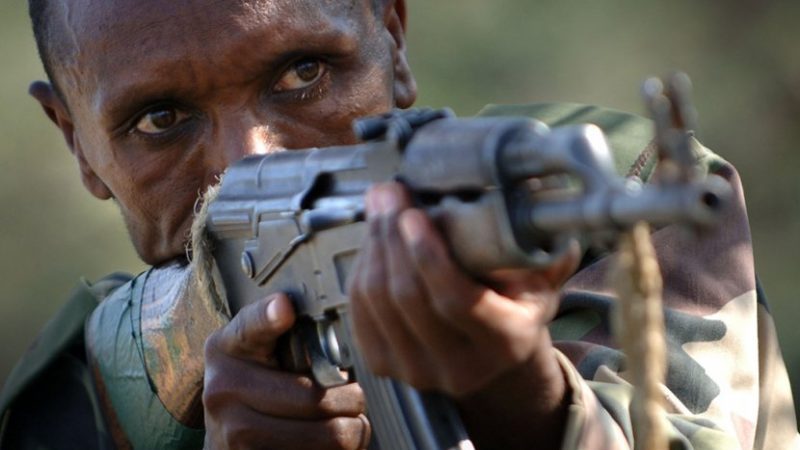
The Council on Foreign Relations has released an updated review of the conflict in Ethiopia on its Global Conflict Tracker. Fighting continues to impact safety, travel, and basic services across key parts of the nation. Observers are keeping close watch as tensions remain high throughout the country.
What is the conflict in Ethiopia?
According to the Council on Foreign Relations, the conflict in Ethiopia involves ongoing violence that harms civilians and regional peace. Families in affected zones often struggle to find food, safe shelter, and medical care when unrest flares up. Fighting disrupts farming, closes local markets, and forces thousands of people out of their homes.
Much of this trouble connects to the wider Ethiopian civil conflict that has shaken the nation in recent years. Clashes among different groups and state forces have made it difficult for local communities to rebuild. Aid workers also face major hurdles when they try to deliver emergency supplies to hard-hit towns.
How this fighting hurts ordinary families
When violence breaks out, daily life grinds to a halt for ordinary citizens. Schools shut down, hospitals run out of basic medicine, and roads become too dangerous to travel. Many parents cannot earn a living because businesses remain closed for weeks at a time.
The unrest creates lasting damage across several basic areas:
- Food supply: Farmers cannot plant seeds or gather crops safely during active clashes.
- Education: Children lose months of schooling when local buildings are damaged or shut down.
- Healthcare: Doctors face severe shortages of clean water, power, and simple treatments.
- Displacement: Families must leave their hometowns and live in crowded temporary camps.
What happened before this latest update
Ethiopia has faced years of friction tied to regional borders, political power, and ethnic divisions. Long-standing disputes have sometimes sparked major wars, such as the Eritrean-Ethiopian War decades ago. Those past struggles left deep wounds that still shape how local leaders interact today.
Even when major peace deals are signed, smaller disputes often linger in nearby provinces. Local disagreements over land and governance frequently lead to fresh rounds of fighting. Because the Horn of Africa is closely connected, instability in one area can spill over borders and create wider regional trouble.
What to watch next in Ethiopia
Peace groups and regional leaders are pushing for steady talks to stop the violence. Observers want to see if local leaders can agree on lasting ceasefires that protect innocent civilians. Without real dialogue, aid groups worry that humanitarian needs will keep growing over the coming months.
The international community continues to monitor whether aid convoys can reach cut-off areas without delays. Global trackers will watch whether local authorities can open safe paths for food and medicine. The coming weeks will show if peace efforts can take hold or if fresh unrest will spread further.


Comments
Post a Comment