How Will Voters Respond to Divided Government?
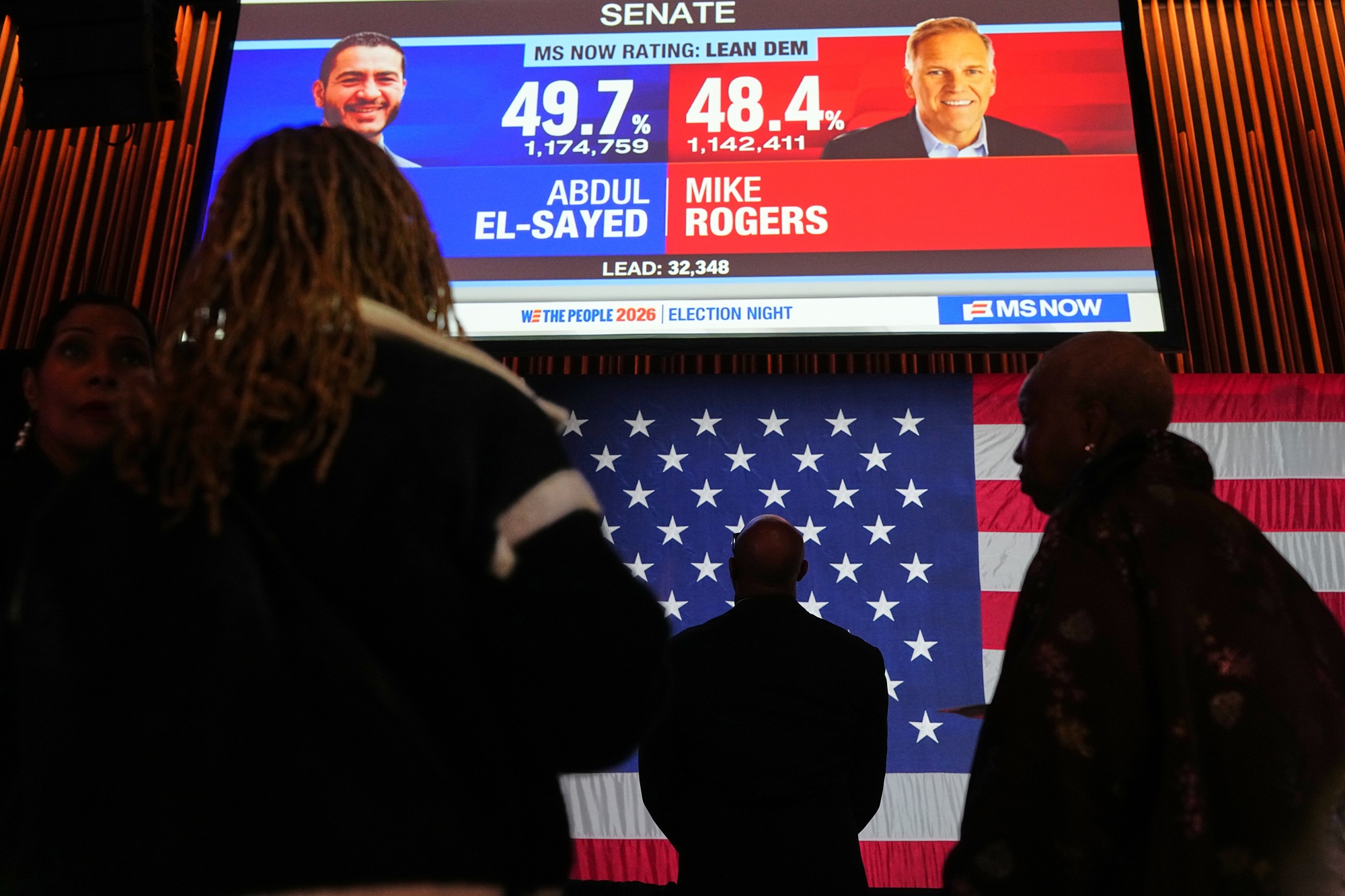
American voters are now dealing with a divided government in Washington. This split means different political parties control the White House and parts of Congress. People across the country must watch how their leaders work together to pass new laws.
What is divided government?
A divided government happens when one political party holds the presidency while another party controls the Senate, the House of Representatives, or both. This setup forces leaders from both sides to talk to each other if they want to pass any new rules. Many independent voters pay close attention to these moments because power is shared instead of held by just one group.
When power is split like this, big bills take much longer to become official laws. Each party gets a chance to block ideas they do not like. Some citizens enjoy this system because it stops one side from taking full control. Other people get upset because simple tasks in government take a very long time to finish.
How will voters respond to divided government?
Voters often react to a split power setup in a few key ways. Some voters choose to reward leaders who make deals, while others prefer lawmakers who stand their ground. Public mood can shift quickly when major issues get stuck in big debates for months.
- More compromise: Leaders may be forced to work across the aisle to get work done.
- Political gridlock: Arguments can stop important budget bills from moving forward quickly.
- Voter frustration: Everyday people can tire of endless political fights in Washington.
- Electoral shifts: The upcoming elections often reflect how happy voters are with the split power.
Why political power splits affect everyday life
When the government is split, normal citizens feel the results in their daily lives. Big national projects can slow down while lawmakers fight over every single dollar in the national budget. Voters must keep track of who is making promises and who is actually delivering real results.
Groups like the League of Women Voters work to help citizens understand how these big shifts affect local communities. When political parties fight over high profile issues, local projects often wait in line. Understanding how your chosen leaders react to shared power helps you make better choices at the ballot box next time.
What to watch for in Washington next
The main thing to watch next is how party leaders handle major spending decisions. If leaders choose to fight instead of talk, parts of the government can run out of money. How everyday voters respond to these big moments will decide who wins control in the next election cycle.
Voters will also look at which party gets the blame when things go wrong in Washington. If lawmakers refuse to work together, citizens might vote out the people currently in power. The coming months will show whether this divided government brings balance or endless political fights.


Comments
Post a Comment