India Politics Update: New Look at Democracy and Constitution
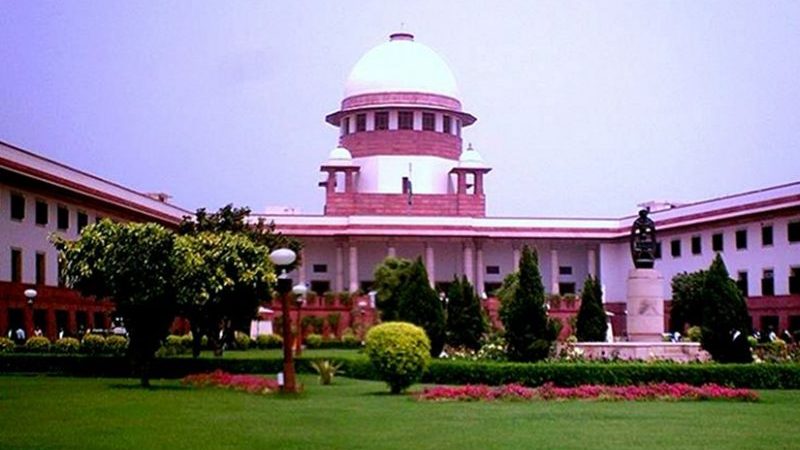
India is making news today as experts look at its democracy, federalism, and constitution. The nation is balancing political power between central authorities and local state leaders. This update explains how these political shifts affect the overall system of governance right now.
What is happening with India politics today?
India remains the largest democracy in the world, relying heavily on a strict constitutional framework. Political leaders are actively discussing how federalism shapes daily rules across different states. Power sharing between the national government and local regions is a central topic in these ongoing political debates.
Citizens are following these political discussions closely to see how laws will change. The balance between state freedom and central control plays a big role in how public services run. People want to know if national leaders will respect long-standing constitutional rules while pushing for modern administrative changes.
How does the constitution shape national democracy?
The constitution gives every citizen basic rights and sets clear limits on governmental power. It helps keep elections fair and ensures that different political groups have a voice in parliament. Without these ground rules, managing such a large and diverse population would be nearly impossible for leaders.
Federalism acts as a safety net to protect local cultures and regional economic needs. When national political leaders respect federal boundaries, individual states can make laws that fit their local people best. This balance keeps the entire democratic system stable during heated election cycles and policy disputes.
Key elements of the Indian political system
To understand the current political landscape, it helps to look at the core parts of the national structure. These main pillars keep the government running every day:
- Democracy: Citizens use their votes to choose leaders and shape national policy.
- Federalism: Power is split between the main national government and smaller state governments.
- Constitution: The supreme set of written rules that protects citizen rights and guides legal decisions.
Each pillar must stay strong for the political framework to work without major breakdowns. If one part loses public trust, the entire government structure feels the strain. Readers should watch how leaders handle constitutional challenges in the coming months.
Why this matters for ordinary citizens and what comes next
Political decisions in a democracy directly change how regular people live and work. Rules about local trade, infrastructure projects, and personal freedoms depend heavily on federal cooperation. When state and federal leaders fight over power, public progress can slow down quickly for local communities.
In the coming days, observers will watch how national institutions enforce constitutional limits. Voters will pay close attention to political speeches and legal rulings about state rights. Understanding these basic ideas helps readers see where national politics is headed next.


Comments
Post a Comment