Why Gadi Eisenkot Is Talking With Benjamin Netanyahu
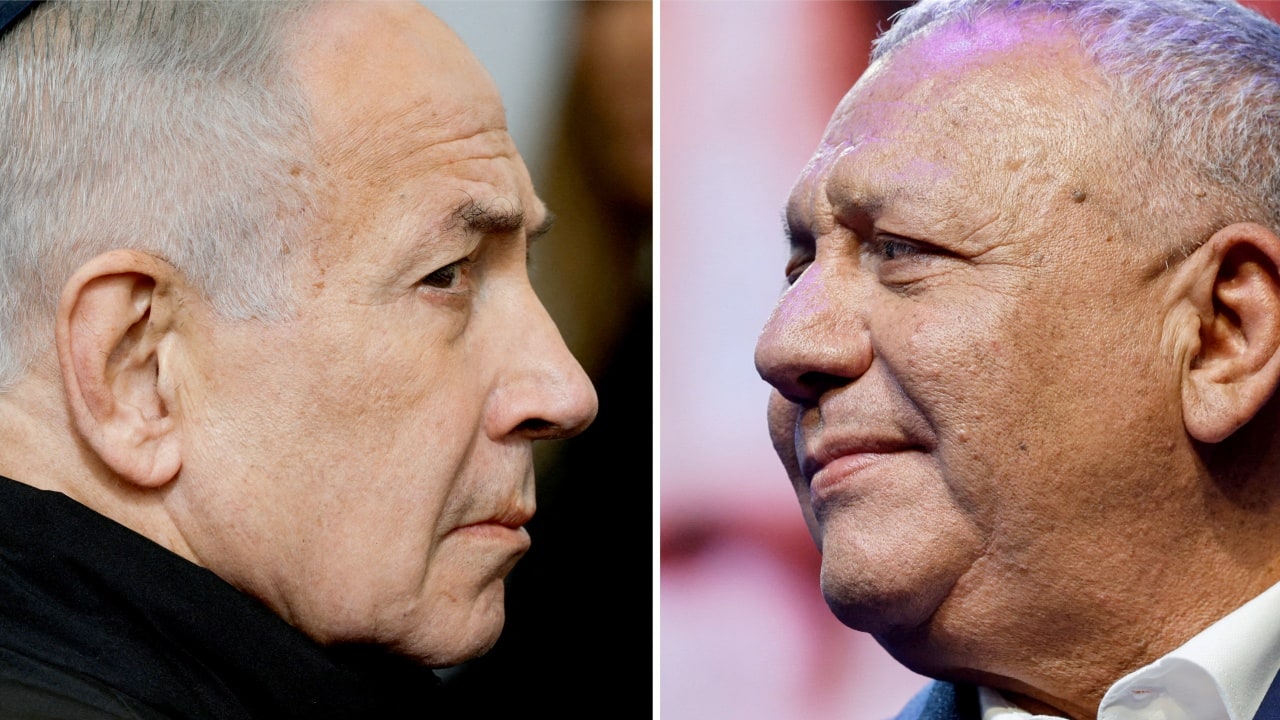
According to an analysis by Al Jazeera, Gadi Eisenkot is negotiating with Benjamin Netanyahu. The talks between these two political figures come during a critical period of conflict and political tension. Many observers are watching closely to see what agreement they might reach.
Why Eisenkot is negotiating with Netanyahu
Al Jazeera reports that negotiations are taking place between Eisenkot and Netanyahu. Both men play major roles in the country's national security and political landscape. When leaders from different political backgrounds meet like this, it usually means serious decisions are on the table.
The discussions focus on how to handle urgent political and security challenges. Working together allows leaders to present a united front to the public during difficult times. However, these talks can also lead to deep disagreements about strategy and long-term goals.
What these political talks mean for the country
High-level talks can lead to new government policies and changes in leadership structure. When political rivals sit down to talk, they must find common ground on pressing defense issues. The results of these discussions can influence decisions that affect everyday citizens across the region.
A few key factors help explain why these discussions are happening now:
- National security: Leaders need clear plans to manage ongoing military decisions.
- Political stability: Working together can keep the government functioning during a crisis.
- Public pressure: Citizens want their leaders to focus on security rather than political fights.
For ordinary people, political cooperation can bring a sense of stability. It shows that leaders are trying to solve hard problems together instead of arguing. At the same time, people want to know if these talks will bring lasting peace and safety.
What happened before these negotiations started
Before these talks, Israeli politics saw sharp divisions over leadership and the direction of the country. Disagreements between opposing political camps made it hard to reach quick decisions. The pressure to manage the ongoing war pushed different factions to seek common solutions.
Eisenkot and Netanyahu have often held different views on governance and strategy. Because of those differences, news of direct negotiations between them caught public attention. Finding agreement requires both sides to make compromises on their usual political positions.
What to watch for in the coming days
The next step is to see whether these talks produce a formal political deal. Observers will watch to see if Eisenkot takes on specific roles or duties within the leadership group. Any official announcement will reveal how much common ground the two leaders were able to find.
The public reaction to the talks will also be very important. Supporters on both sides will judge whether their leaders gave up too much during the negotiations. The outcome could change the balance of power and set the political course for months to come.


Comments
Post a Comment